


Photography by Jason Lee Denton
Before there was streaming, before there were “legacy acts,” there was Hall & Oates—a duo that quietly became one of the most successful partnerships in rock history. More than 80 million albums sold. A string of indelible hooks. Induction into both the Rock & Roll Hall of Fame and the Songwriters Hall of Fame. Songs that have long since outgrown the decade that birthed them.
For John Oates, that legacy is both a gift and a gravitational force. The name carries stadium-sized expectations. And yet, in the decades since those massive hits first climbed the charts, Oates has been charting something more personal.
On his current tour, he arrives not as a nostalgia act but as a working musician with a new band and a point of view.
He understands the shorthand.
“I’m very aware that many folks only know me from the massive hits from the Hall & Oates catalog. While I love those songs and am very grateful for the commercial success I’ve had over the years with Daryl Hall … I’ve moved on creatively. I’ve recorded nine solo albums since 2000 that really show who I am as an individual, but of course I always play a few fan favorites. Make no mistake, my live show is not half of a Hall & Oates show.”
That distinction matters. The current run of performances will include familiar favorites, but it also reflects the evolution of an artist who, beginning in the early 2000s, found himself drawn south to Nashville.
“My move to Nashville was super important to helping me reconnect with my early musical DNA. Working with the superstars of the Americana genre has really upped my game instrumentally, and collaborations with some of the world’s best songwriters have broadened my writing style and quality. Now I draw from some of my first influences from the roots of rock ’n’ roll to traditional folk, R&B, and everything in between.”
It is less reinvention than return. The gloss of arena pop has given way to something earthier, rooted in traditional folk, early rock and roll, and rhythm and blues. If the Hall & Oates catalog was built for radio dominance, the solo work feels built for musicianship—tight arrangements, lived-in vocals, collaboration as craft.
Florida, he notes, has always felt like a home base of sorts.
“Over the years Florida has always been one of my favorite places to play. I have lots of friends who live all over the state, and I always look forward to coming back.”
That connection makes sense. Many of the fans who grew up with his records spinning in New York, Philadelphia, and the Northeast now fill concert venues across South Florida, bringing with them decades of memory tied to the songs.
Those memories trace back to Philadelphia, where Oates’ musical education began long before platinum plaques.
“When I was a teenager I would go to dances hosted by the legendary DJ Jerry Blavat, as well as going to the R&B shows at the Uptown Theater. But more importantly listening to the great Philly radio stations such as WDAS, WHAT, WIBG, and later the underground FM station WMMR.”
Those stations, those dance floors, those R&B revues formed the blueprint. The elasticity between rock, soul, and pop was never a marketing strategy; it was simply the soundtrack of his youth.
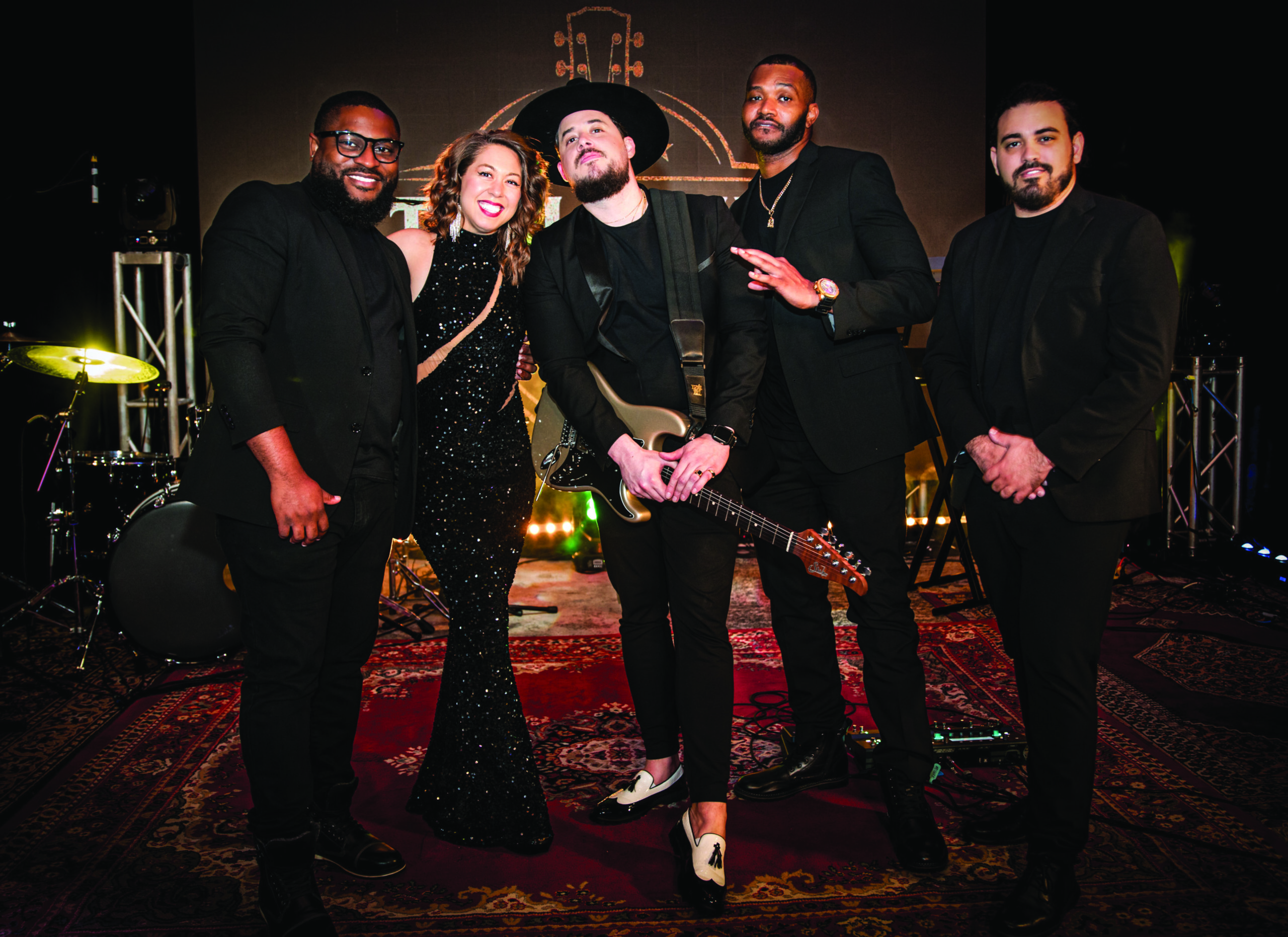
Now that elasticity defines The Good Road Band, the lineup joining him on tour.
“This is my new GOOD ROAD BAND with some old friends and some new friends. They are amazing players and singers, and we can do so many styles. It’s really amazing and so much fun. John Michel drums & vocals, Seth Cook guitar & vocals, Marc Rogers bass, and Kevin McKendree keyboards.”
It reads less like a press statement and more like a musician genuinely energized by the people onstage beside him. The emphasis is on style, range, and the pleasure of playing.
The show delivers what audiences expect—rock, soul, funk, R&B, the architects performing their own blueprints. But Oates’ set, by design, is also a reminder that legacy is not a museum piece.
The hits built the house. The good road, still unfolding, is where he lives now.