

In South Florida it’s easy to mistake spectacle for architecture. This corner of the state has never been short on houses that preen for the water, pose for the drone shot, or borrow some vaguely Mediterranean fantasy that could just as easily belong in Scottsdale, Arizona, as along the Intracoastal.
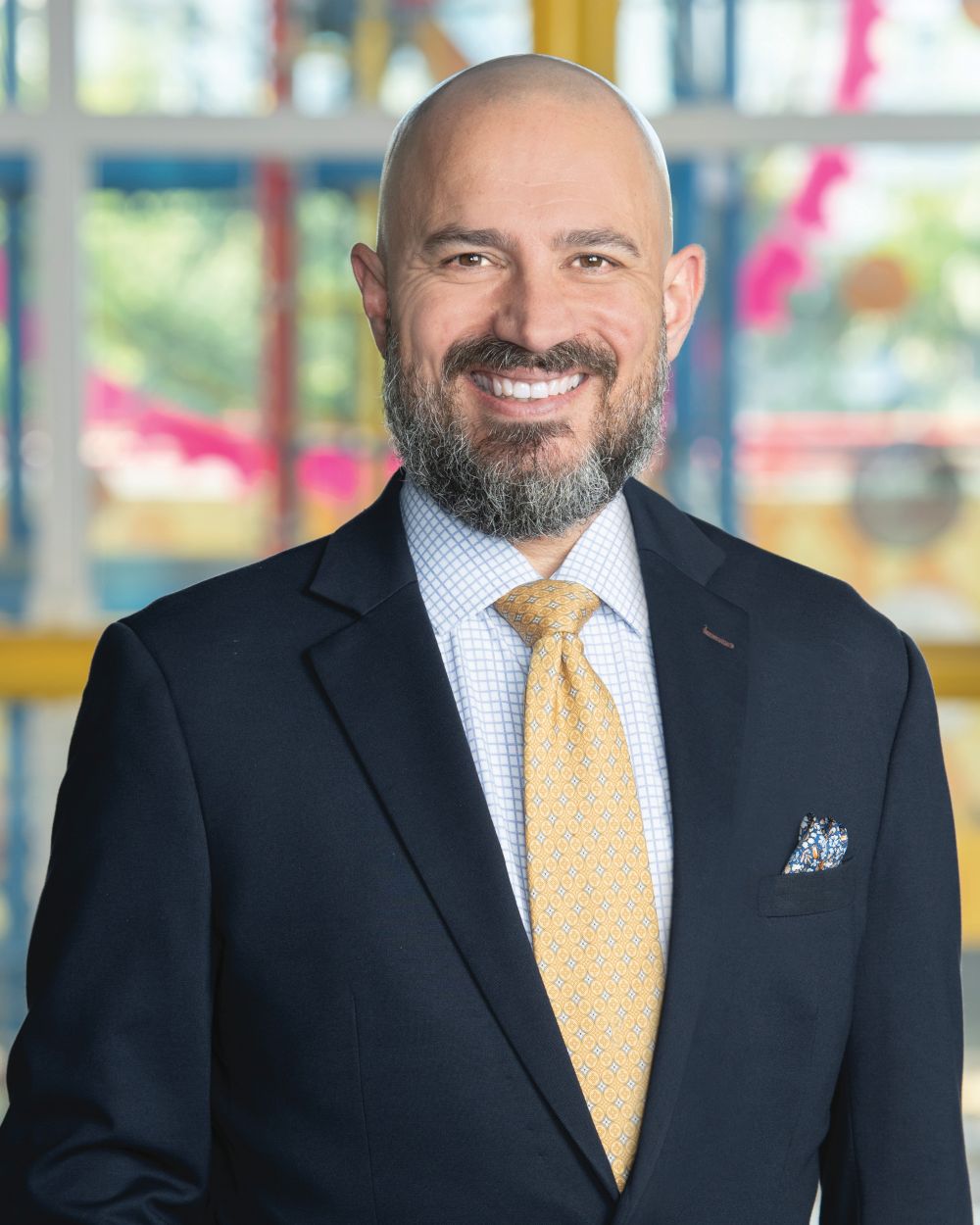
Max Strang has spent much of his career pushing in the opposite direction. His homes are undeniably dramatic, but their drama comes with purpose: shade, airflow, privacy, structure, elevation, and resilience. In a region where design can often feel imported, Strang’s work reads as something rarer — architecture that could only have come from right here.
That sensibility has made the Miami-based architect one of the state’s defining design voices. This year also marks the 25th anniversary of his Coconut Grove–headquartered firm, STRANG, which was named AIA Florida’s 2025 Firm of the Year. Yet if you ask Strang where things stand in 2026, he sounds less interested in celebration than in what comes next.
“We still feel like we’re just getting started,” he told Lifestyle.
That drive makes sense for someone whose design worldview was shaped as much by childhood memory as by formal training. Strang grew up in Florida in a Gene Leedy–designed family home in Winter Haven, immersed early in the ideas of the Sarasota School, where architecture was site-driven, climate-driven, and deeply regional. Later came the University of Florida, graduate school at Columbia, and formative experiences that broadened his perspective without severing the original thread. What endured was a belief that architecture here should collaborate with the landscape rather than combat it.
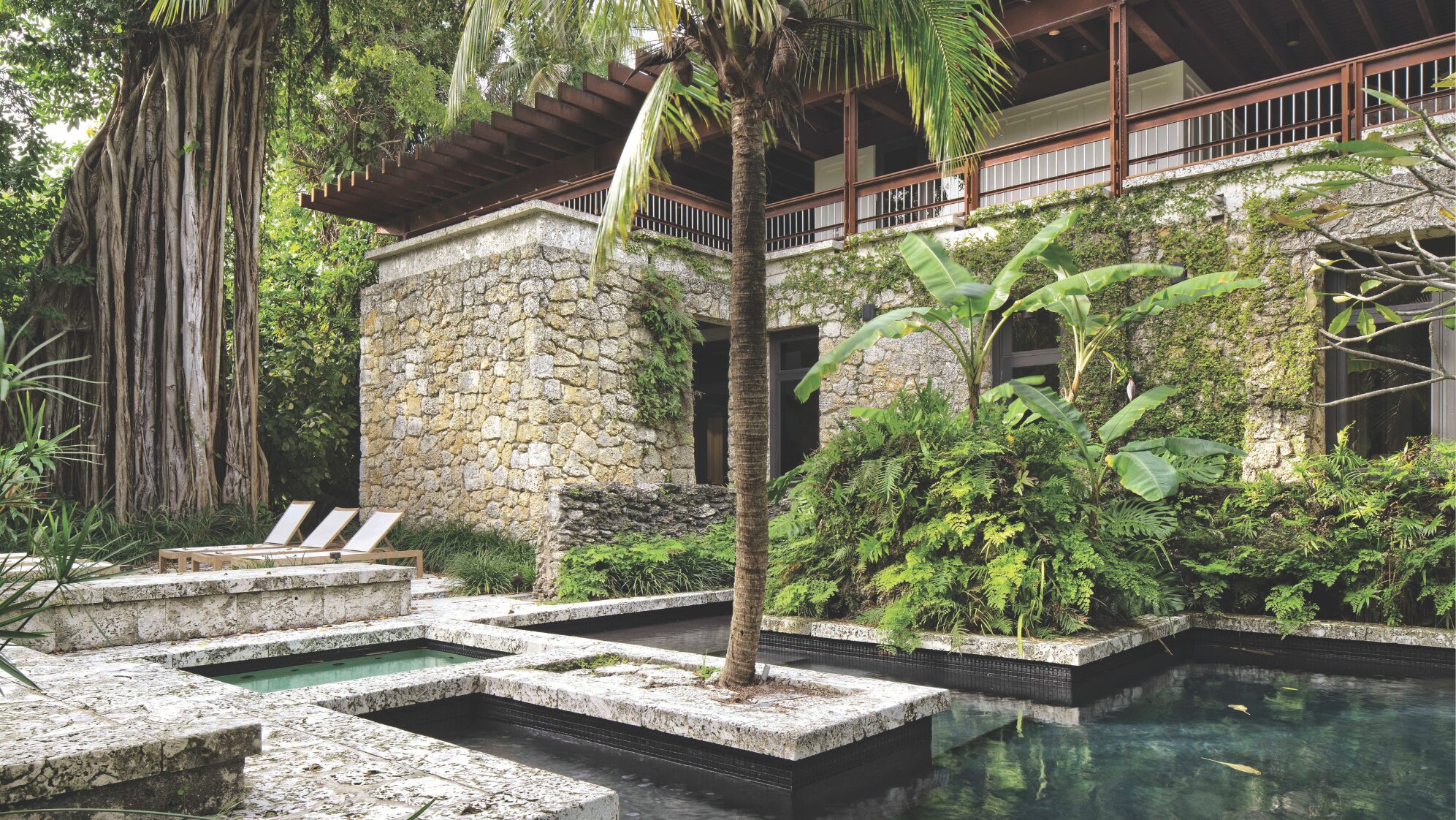
Strang calls his approach “environmental modernism,” and the phrase resonates because it is not empty branding. “We really respect the South Florida climate and geography,” he said. “I think an important part of architecture is to use local materials.” That can mean oolite or keystone in Miami, warm woods that withstand the elements, or concrete handled in a way that feels tactile rather than severe. Strang speaks with particular conviction about “real materials” — stone, sustainably sourced wood, and textured concrete — and how they lend a home both authenticity and permanence.
That attention to material is also what gives his projects their sense of place. His houses do not merely sit in lush settings — they seem to belong to them. They frame banyans and river bends, filter light through vertical fins, and turn shade into a luxury rather than an afterthought.
Few projects capture that better than the Tuckman residence on Fort Lauderdale’s New River, one of Strang’s most recognizable works in Broward County. He calls it noteworthy because it marked the first time his firm used a curve in a project, a gesture driven by the site and its views. But its real power lies in how its boldness doubles as performance. The home’s vertical fins, Strang noted, do more than define the façade. They provide privacy, help with drainage, and, in some cases, contribute structurally.
“The identity of the home is connected to the performance of the building,” he said.
That philosophy also shapes one of the firm’s more recent works, the Van der Vlugt Residence in the Florida Keys. Elevated above the landscape, the home embraces a palette of natural stone, concrete, and wood while responding directly to the realities of coastal living.
“It’s lifted up off the ground,” Strang explained. “One, for hurricane storm surges. Two, for sea-level rise. And three, because it allows us to create some very interesting spaces underneath.”
The result is a structure that feels modern and elemental, balancing durability with warmth while acknowledging the environmental realities of the Keys.
The same ethos runs through another defining project: the Rock House in Coconut Grove, arguably the work that first placed Strang on the architectural map. Completed in 2004 as his own family home, the residence distilled influences from the Sarasota School, tropical modernism, and Miami’s geology into a house that felt both primal and refined. It later became widely recognized after appearing in Michael Mann’s Miami Vice as a drug lord’s lair, further cementing its lore.
There is also an evolution visible across Strang’s body of work. Earlier projects leaned heavily into stone and structural expression. Later ones sharpened into frames and fins, quieter and more disciplined but no less responsive. That progression mirrors a broader maturation in Florida architecture itself.
“There’s a lot of attention on South Florida now,” Strang said, noting the influx of international firms working from Palm Beach to Miami. He sees that competition as a positive — evidence that the region has moved to the forefront of the global design conversation.
And yet what makes Strang especially compelling in this moment is not that he is relentlessly pursuing international relevance. It is that he has stayed rooted in the idea that Florida already contains its own architectural language. His firm, now comprised of a 50-person multidisciplinary team with projects across the Caribbean, in Utah, and even Dubai, has the scale to work far outside the state. But the best of Strang’s work still feels inseparable from this place.
That may be why his houses resonate so strongly right now. As more homeowners seek spaces that are livable, resilient, and connected to their surroundings, Strang’s work feels like a blueprint for where Florida living is headed. His architecture is modern, but never placeless.