


Women who live near Florida’s most contaminated areas may face a greater risk of developing some of the most aggressive forms of breast cancer — including triple-negative breast cancer (TNBC), a subtype that’s notoriously difficult to treat.
That’s the warning from a new series of studies by researchers at the Sylvester Comprehensive Cancer Center, part of the University of Miami Miller School of Medicine, who have found that living near federally designated Superfund sites — locations polluted by hazardous waste and prioritized by the Environmental Protection Agency (EPA) for cleanup — may play a significant role in women’s cancer outcomes.
A Disturbing Link Between Pollution and Disease
Florida currently has 52 active Superfund sites, many located near populated areas of South Florida. Using detailed data from Sylvester’s SCAN360 portal, which tracks neighborhood-level cancer and environmental statistics, researchers examined more than 21,000 breast cancer cases diagnosed statewide between 2015 and 2019.
The findings were unsettling:
Women living in the same census tract as at least one Superfund site were 30 percent more likely to have metastatic breast cancer — meaning the cancer had already spread beyond the breast at diagnosis.
When researchers looked specifically at triple-negative breast cancer, they found an even stronger connection. The closer a woman lived to a Superfund site, the higher her likelihood of developing TNBC. The studies also identified fine particulate matter (PM2.5) — a pollutant smaller than 2.5 microns, often released by industrial activity — as a potential driver of the increased risk.
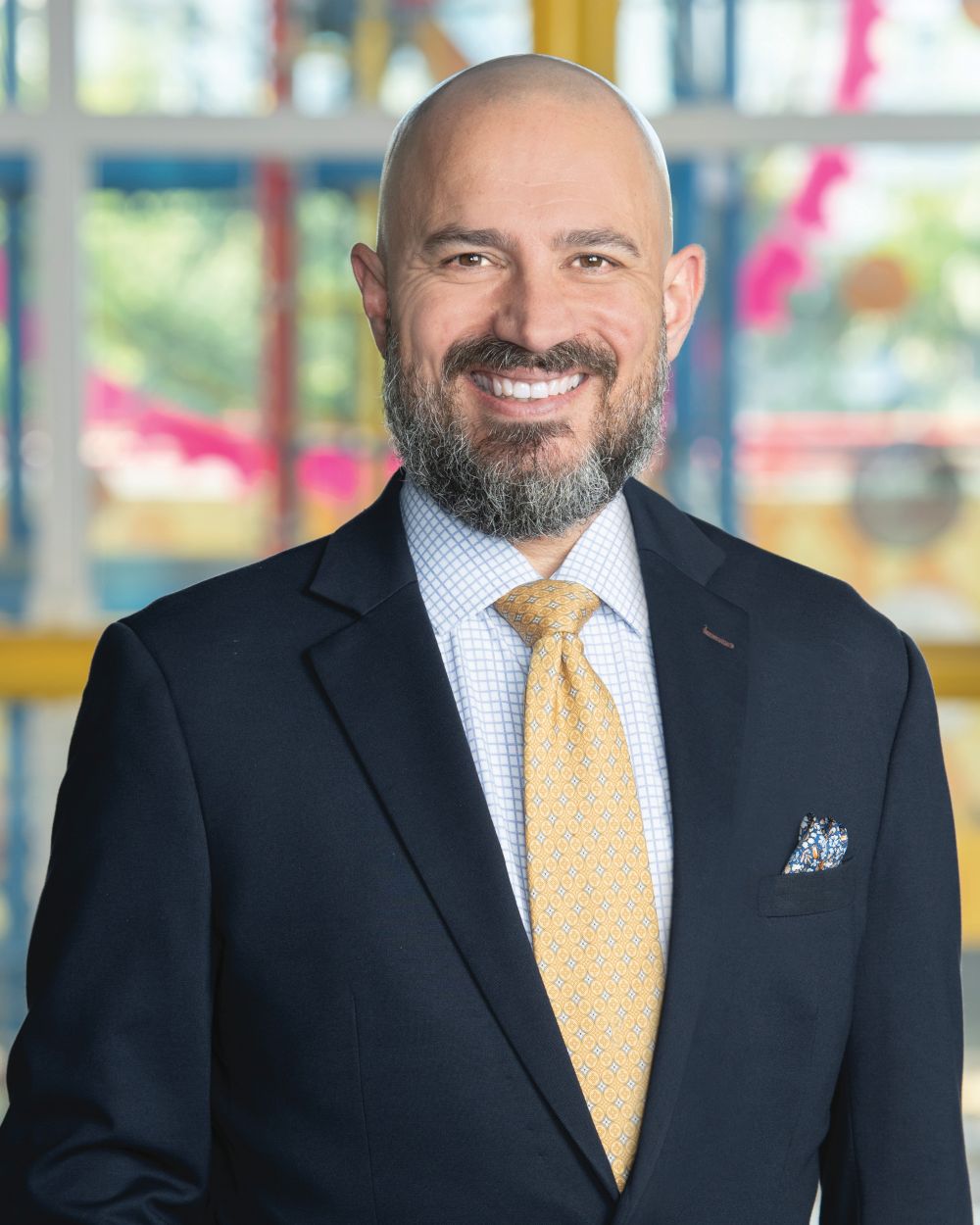
“These studies, as well as recent federal priorities, highlight the role of the environment in health outcomes,” said Erin Kobetz, Ph.D., M.P.H., an epidemiologist and Sylvester’s Associate Director for Community Outreach and Engagement. “We need to better understand how environmental conditions may be driving variability in cancer outcomes, especially for women who have historically been overlooked by research.”
The results of the first two studies were published in Scientific Reports and Cancer Epidemiology, Biomarkers & Prevention.
Listening to the Community
For Dr. Kobetz, the research was sparked not just by data — but by the people living in the shadow of these toxic zones.
“Members of our community raised concerns that where they lived was making people sick,” she said. “Overwhelmingly, the people speaking up lived near Superfund sites.”
These conversations led to the creation of a multidisciplinary team at Sylvester — physicians, epidemiologists, and molecular biologists — tasked with investigating how pollution and social adversity intersect to shape cancer risk. The goal: turn anecdotal fears into evidence-based advocacy.
Beyond Genetics: A Look Inside the Tumor
The team didn’t stop at mapping risk. In a third study, led by Aristeidis Telonis, Ph.D., a research assistant professor of biochemistry and molecular biology at the Miller School, scientists analyzed tumor samples from 80 Miami-area breast cancer patients to identify whether the neighborhood a woman lives in could leave a molecular “fingerprint” inside her cancer.
They went deeper than genetic testing—examining each tumor’s epigenome (chemical instructions that regulate DNA) and RNA messages (which reveal how genes are expressed in real time).
What they found was startling: patients from neighborhoods with fewer health-promoting resources and higher social deprivation were significantly more likely to exhibit biomarkers associated with aggressive, fast-growing cancers.
“This deprivation index is very strongly associated with more aggressive breast cancers,” said Telonis. “It’s a simple, but very important correlation.”
The findings suggest that a woman’s environment — not just her biology — can influence the molecular behavior of her cancer, potentially opening the door to more personalized treatment approaches that account for both genetics and geography.
Environmental Justice and Public Health
The implications of these studies go far beyond academic interest. They spotlight a larger environmental justice issue—one in which low-income communities and communities of color are often disproportionately exposed to industrial toxins, pollution, and limited access to healthcare.
Kobetz said the next step is to translate these findings into community action and policy advocacy. “We have a signal, and we’re compelled by our Community Advisory Committee to pursue it,” she explained. “Now we have empirical data to support what residents have been saying for years — that their environment may be making them sick.”
Her team hopes this evidence will drive both federal and local investment in environmental cleanup, public health outreach, and equitable cancer prevention programs.
A Call to Action for South Florida
South Florida’s combination of dense population, aging infrastructure, and industrial legacy makes the issue of environmental health especially urgent. The Sylvester team is urging residents and leaders to support further research, community education, and environmental monitoring to prevent future cases.
“We often think of breast cancer prevention in terms of genetics or lifestyle,” said Kobetz. “But if we ignore the environment, we’re missing part of the picture.”
For South Floridians, that means taking a closer look at the invisible threats in their own backyard — and advocating for change that protects both present and future generations.
Learn More:
Read the full studies on Scientific Reports and Cancer Epidemiology, Biomarkers & Prevention, or visit InventUM for more research from Sylvester Comprehensive Cancer Center.
Follow @SylvesterCancer on X for updates on ongoing cancer prevention and community outreach initiatives.