

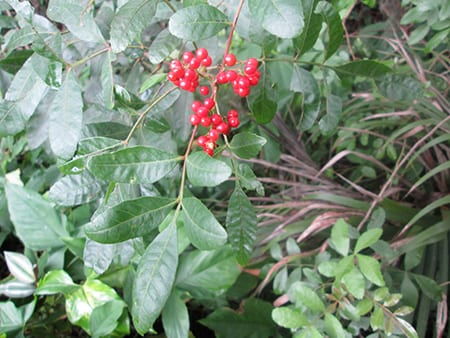
While the introduction of these large and potentially dangerous reptiles to South Florida is worthy of concern, this article is actually about a different type of invader, invasive exotic vegetation. Plants and trees certainly do not have the same media draw that giant snakes do, but this silent invader is an equally large problem to our area and one that rooted here long before the monster snakes and iguanas arrived.
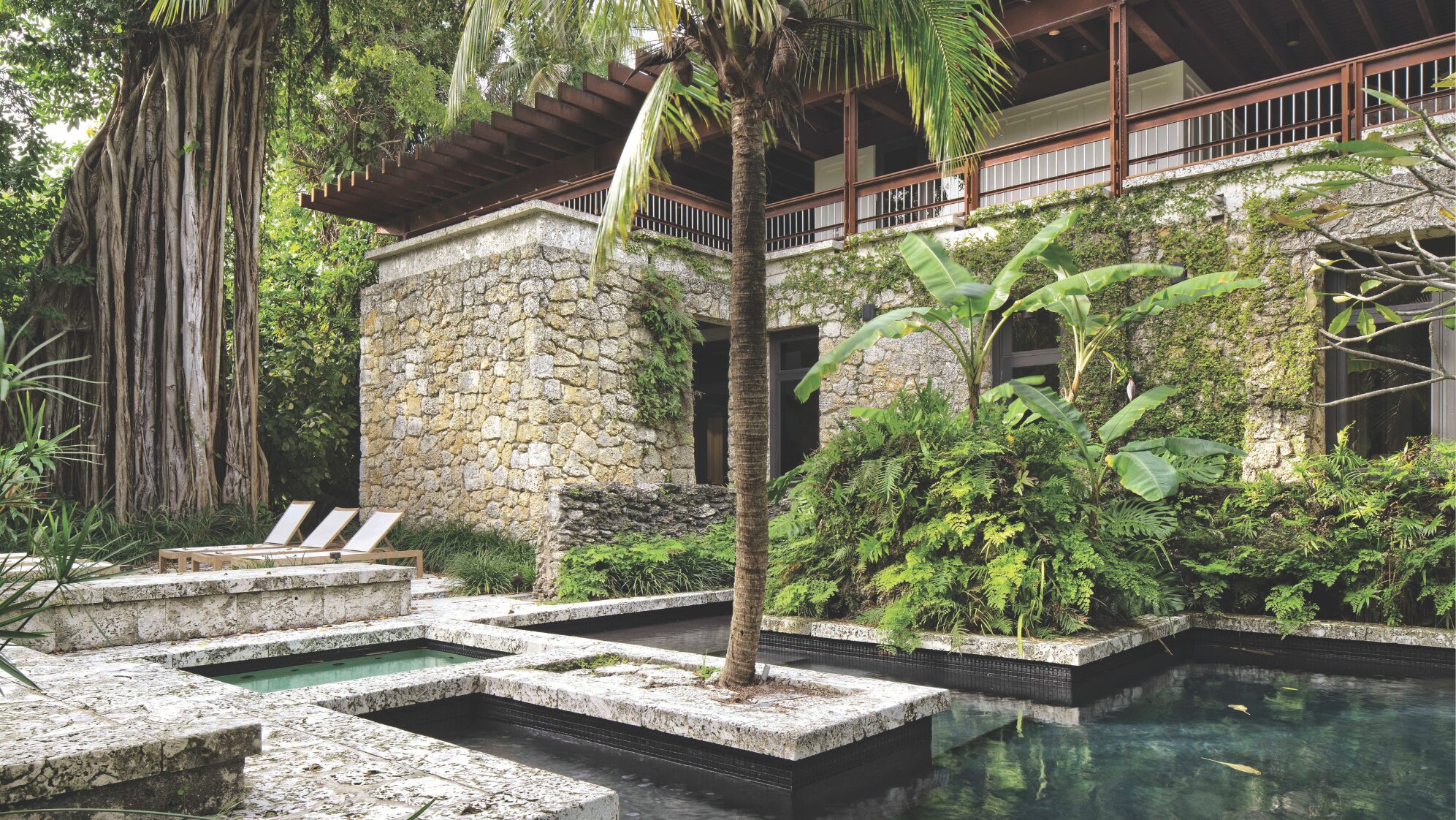
Brazilian pepper, Australian pine and Melaleuca have become household names in South Florida. These and dozens of other trees and plants from other tropical areas around the world have been establishing themselves in Florida for decades and have spread at astonishing rates. Brazilian pepper alone now covers over one million acres of Florida! The big question you are likely asking is, “So what?” These invasive trees and plants are providing eye pleasing greenery and adding to our tree canopy coverage so what is the big deal and why should I care? There are two sides to this issue, those who feel that green is green and those who are concerned that Florida’s beautiful natural habitats will be lost forever and replaced by these invading species.
Brazilian pepper and many other exotic trees were either brought here intentionally by early settlers, or accidently introduced by hitchhikers on commercial shipping cargo containers. In their home countries, there are natural controls such as insects and microorganisms in place that keep tree distribution and growth in balance. Once they are brought to new areas of the world without these controls, they are free to grow and spread uninhibited. This and other factors give them an unfair advantage over our native trees and plants, which have their natural controls still in place. Unfortunately, the result is that invasive exotic vegetation is rapidly replacing our beautiful pine flatwoods, cypress swamps, scrubs, coastal dunes and of course, our beloved Everglades “River of Grass.” In many cases, this new “foreign” habitat does not support our native animal species needs and they are consequently being displaced to an ever-shrinking area of native natural habitats.
To date, millions of dollars have been spent to halt or reverse the spread of invasive exotics throughout Florida and while there has been progress made in many areas, this has proven to be a difficult battle to win with new invasive species being discovered each year. As mentioned, there are two sides to this issue. Should we stop this effort to halt the invasion and just let nature take its course or do we continue to do our best to protect the native habitats we have left for future generations to enjoy?
As a native Floridian, I have grown to love and appreciate the importance and uniqueness of Florida’s natural habitats and fully recognize the need to preserve these remaining natural areas for the betterment of the world’s ecosystem and for the enjoyment of future generations. What’s your opinion?
If you have questions regarding removal of invasive exotic vegetation on City properties, contact Brian Rose at [email protected] or 954.545.6614. If you have questions regarding removal of invasive exotic vegetation on private properties, contact Sharon Vollmer at [email protected] or 954.956.1517.
Brian Rosen is a project manager for the City of Coconut Creek where he has been employed for the last seven years. He holds an MPA and is a certified arborist and natural areas manager.