


On Monday nights in Broward County, long after most routines wind down, a small group of women trades comfort for commitment. They pass through metal detectors, locked doors, and fluorescent-lit corridors at the Paul Rein Maximum Security Detention Facility in Pompano Beach. Their purpose is simple, but not easy: to show up for women the rest of the world has largely written off.
This is Harvest Church’s prison ministry, one of several community outreach efforts the Coconut Creek–based church supports across Broward County. Unlike food drives or holiday programs, this work happens almost entirely out of sight. Each week, volunteers sit face-to-face with incarcerated women—many cycling through the system, some facing sentences that stretch decades into the future. What they offer isn’t legal advice or false promises. It’s consistency, conversation, and the reminder that someone still sees them.
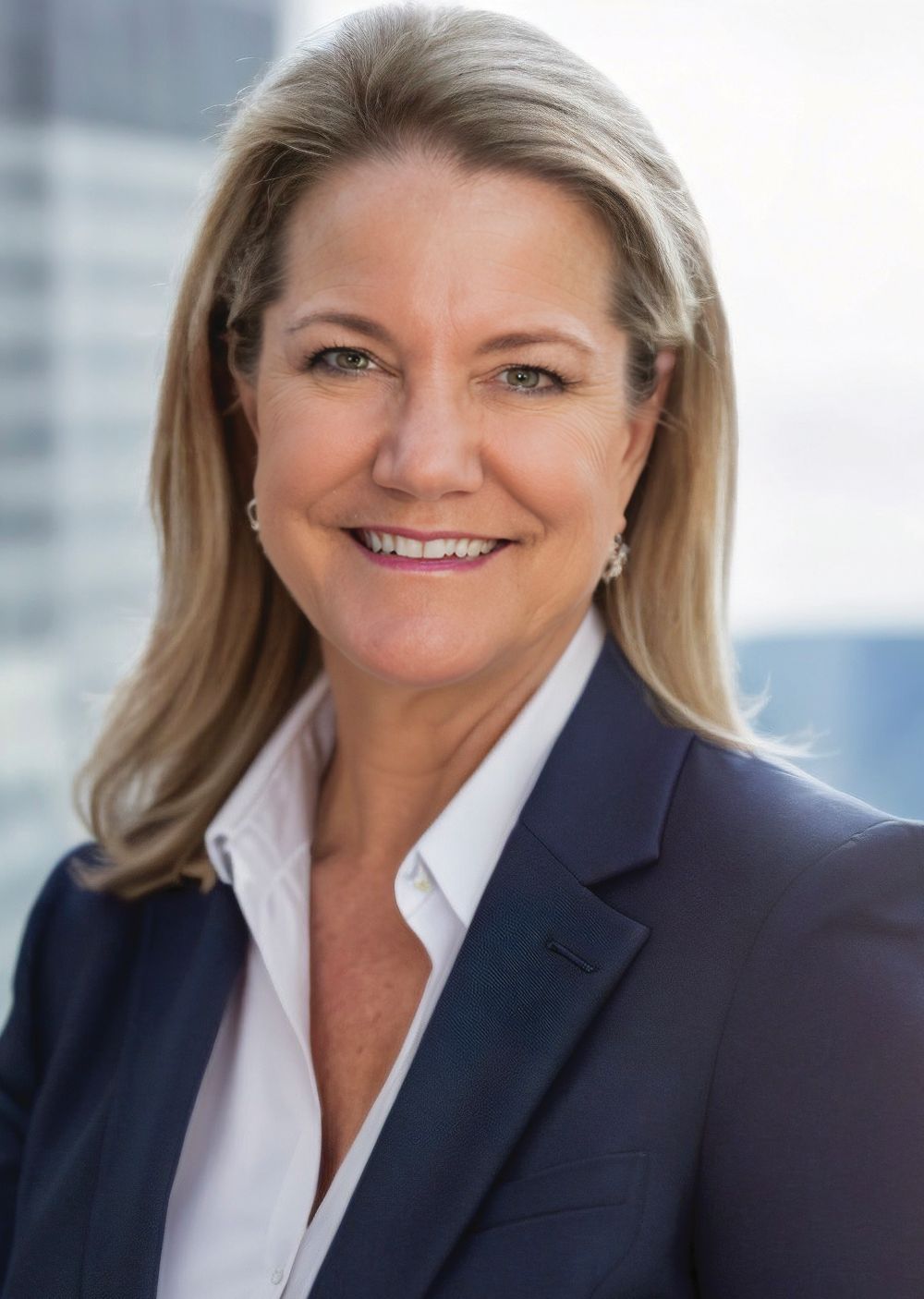
“We go into the women’s maximum security and share the Word and make sure those folks don’t feel forgotten,” says Randi Press, one of the ministry’s most active volunteers, who has been involved for more than five years. Participation requires fingerprinting and certification through the Broward Sheriff’s Office, along with strict protocols once inside.
Today, roughly a dozen women from Harvest Church consistently serve in the women’s facility, with a men’s ministry launched this year nearby at the Joseph V. Conte Facility. The work is entirely volunteer-based, making reliability essential. “It takes a village to run these volunteer programs,” Press says. “It’s all about dedication and commitment.”
On a typical night, volunteers arrive around 6:45 p.m. and don’t leave until after 8:30. That window includes security screening, navigating multiple locked doors, and spending time inside the housing unit itself. Depending on turnover, they may meet with around 30 women in a single evening.
Conversations are intentionally structured. Volunteers aren’t allowed to ask why someone is incarcerated or discuss personal case details. Boundaries are critical. “People that are in this setting can be well-mastered at being manipulative,” Press notes. “So you have to have a really good base of knowing where boundaries are.”
Within those limits, the focus is on discussion, reflection, and rebuilding internal structure. “A lot of them don’t know how to pray, or they’ve been in there and they’ve lost God for a little while and now they’re coming back,” Press says. “So, first thing we talk about is getting a Bible. Second thing we talk about is reading it. And then third, we talk about prayer.”
For Press, the impact isn’t measured in attendance counts or weekly totals. “Honestly, we’re just trying to bring one soul at a time,” she says. “If we can change somebody’s life one person at a time, that’s huge.”
She points to one woman she saw week after week during an extended stay caused by court delays during the COVID-19 pandemic. When the woman was finally sentenced and transferred, Press assumed their connection had ended. Years later, that same woman reappeared at Harvest Church after being released. “She’s now on an external program to keep her clean and safe,” Press says. “She comes every week, and it is the best feeling.”
Not every story ends that way. Press has seen women leave and return within months. “The system is not necessarily built to make people successful on the outside,” she says. She explains that there’s no clear, continuous pathway from incarceration to rehabilitation programs to long-term stability—leaving many women vulnerable to cycling back into the system.
That reality is why the ministry works alongside reentry programs like Sonrise Mission, which helps provide structure and housing for people transitioning out of incarceration. The goal is continuity—not a one-time interaction.
Pastor Dave Benedict, Harvest Church’s founder, sees the prison ministry as part of a broader commitment to community service rather than an isolated effort. “We just believe that everybody deserves a second chance—sometimes a third and fourth chance,” he says. “There are a lot of hurting people, a lot of people misdirected… never had a leg up.”
Beyond the detention facilities, Harvest partners with local police departments, sponsors youth-recognition programs, supports teachers, and operates Mary’s Pantry, which provides food to families in need throughout the area. The common thread, Pastor Dave says, is showing up where help is needed—and staying there.
Press emphasizes that prison outreach isn’t limited to one belief system. “It doesn’t necessarily have to be Christian; it can be Catholic, it can be Jewish,” she says. “The prison ministry is for all things.”
Inside the walls of Paul Rein, that distinction matters less than presence. “They believe that the world has forgotten them,” Press says. “I make sure that I go… to make sure they know that there are people outside that believe in them, that think they are worthy, and that they are not alone in there.”
In a system defined by isolation and interruption, the simple act of showing up—again and again—is its own quiet form of success.