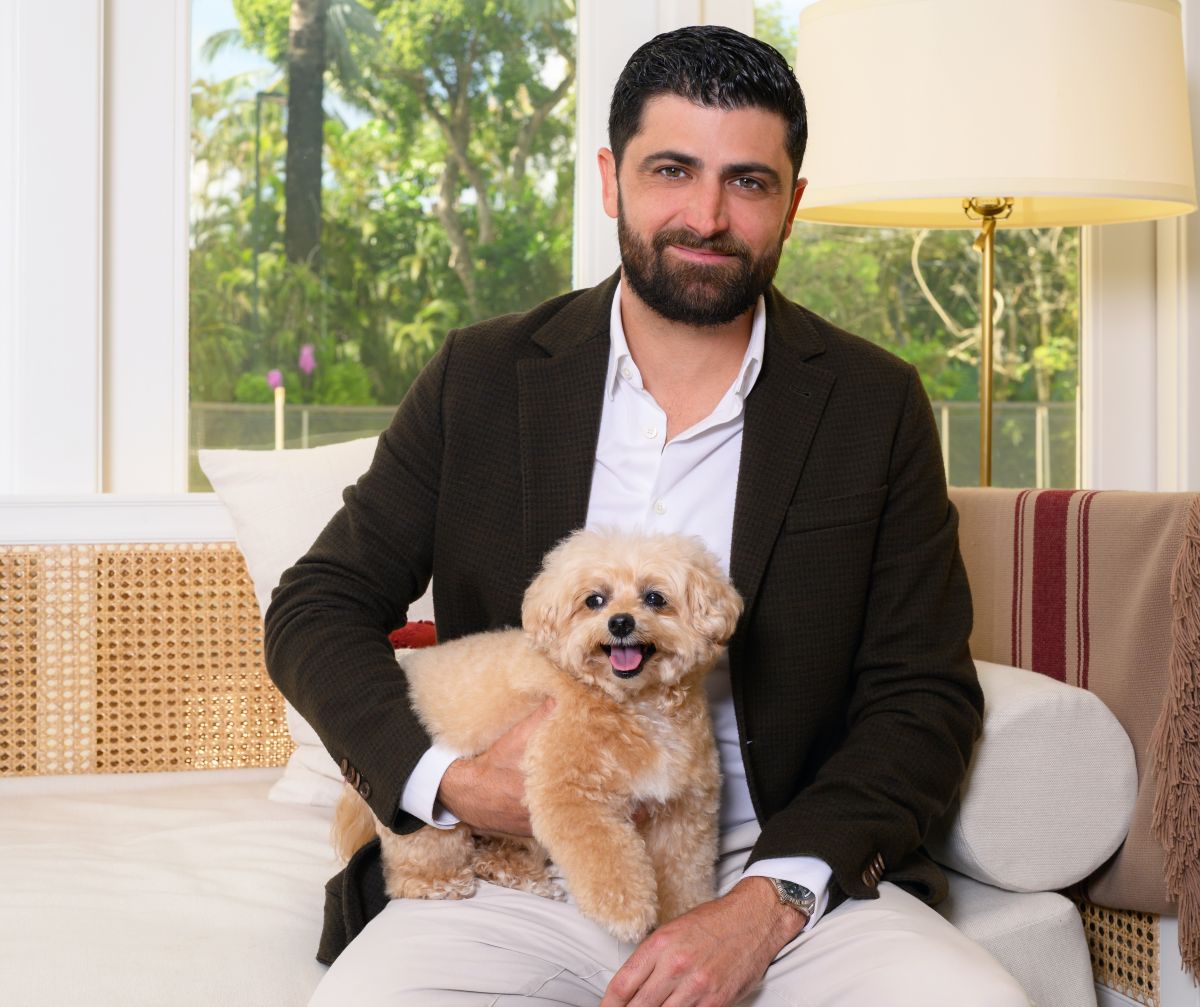

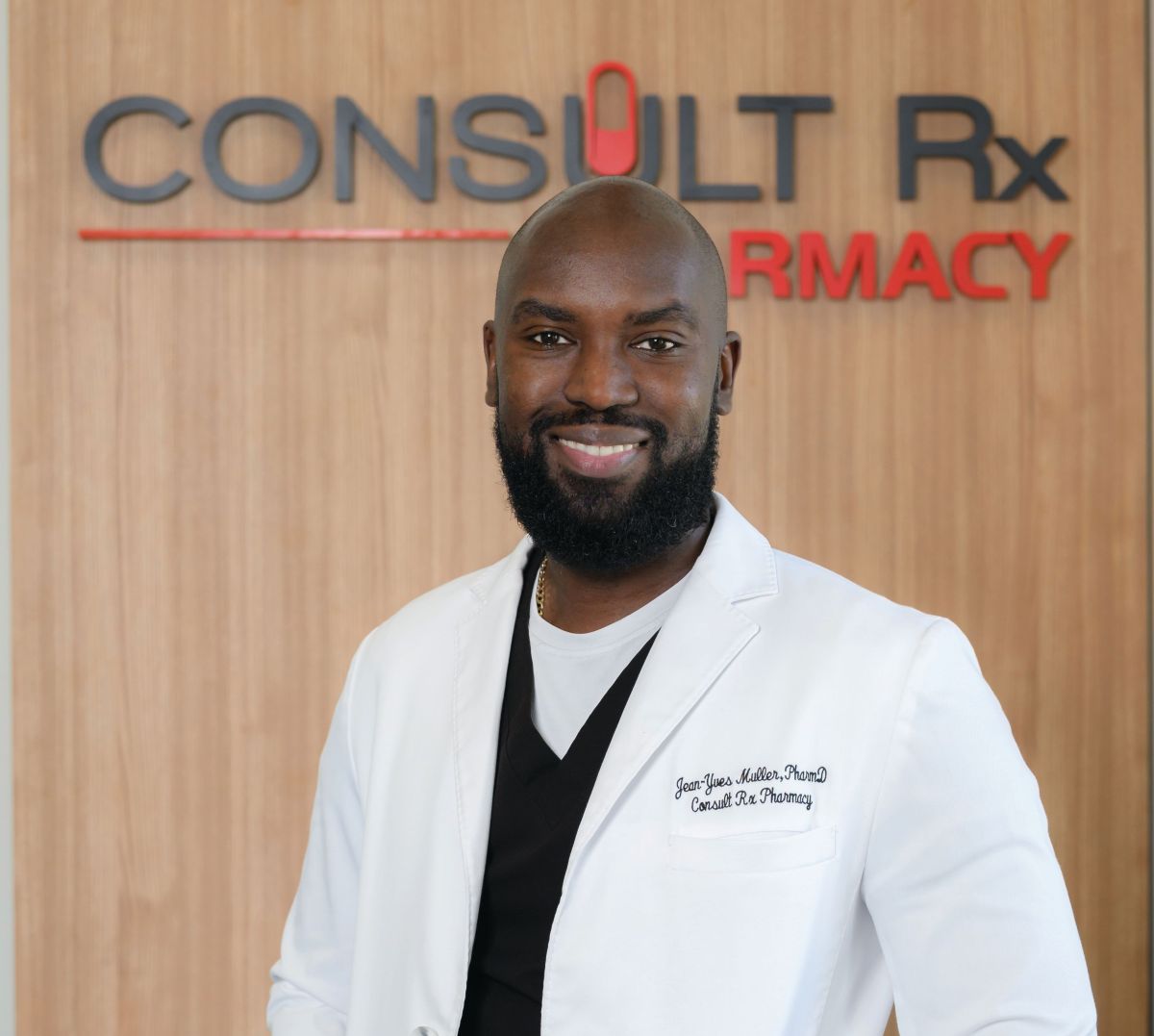
When pharmacist Jean-Yves “Jay” Muller opened Consult Rx Pharmacy in Fort Lauderdale during COVID, he wasn’t simply starting a business. He was creating the kind of independent pharmacy he always wished he could work in.
After years with large corporate chains, including Sam’s Club, and experience at independent pharmacies, he says the difference came down to one thing: people.
“Corporate pharmacy is performance-driven,” he says. “Everything is about numbers. Consult Rx is purpose-driven. It’s about making sure the patient gets the medication they need.”
That philosophy shapes every interaction. Rather than seeing hundreds of anonymous customers, he knows his patients by name, asks about their families, and builds relationships that extend well beyond filling prescriptions.
“It’s personal,” he says. “You know the doctors, you know the patient, and you can provide care that’s specific to them.”
He also believes independent pharmacies have greater flexibility in helping patients find affordable medications, including specialized therapies such as bioidentical hormone replacement and weight-management medications. “It’s not just about profit,” he says. “It’s about making sure people can actually afford their medication.”
While dispensing prescriptions is an important part of the job, Muller says it represents only a fraction of what he does each day. “The dispensing part is only one piece of what we do,” he says. “Most of my day is spent helping patients truly understand the medicines they are taking.” Muller’s time is also spent answer questions and speaking with physicians.Muller also offers free diabetes education sessions that can help educate and empower people diagnosed with the disease. In the end, it all comes down to building trust.
That trust becomes especially important for patients who see multiple doctors. A specialist may prescribe one medication, a pain management physician another, and a primary care doctor a third. Add vitamins and over-the-counter supplements, and the risk of drug interactions increases significantly.
“We become the center of the umbrella,” he explains. “We make sure medications don’t interact, that patients know when and how to take them, and that everything makes sense.”
He says independent pharmacies also tend to spend more time evaluating prescriptions that larger chains may automatically decline. “Instead of immediately saying no, we ask questions,” he says. “We’re the last line of defense.”
Muller believes one of the biggest differences between independent and corporate pharmacies is accessibility. Patients aren’t greeted by layers of automated phone menus or rushed through consultations. Instead, they can call, stop by, sit down, and have a conversation with the pharmacist.
While technology has made filling prescriptions more convenient through electronic prescribing, text messaging, and home delivery, he believes it shouldn’t replace personal relationships.
“I have patients who call just to talk or even just send me memes,” he says. “Some people don’t have anyone else, and they know they can reach me.”
Those conversations, he says, are just as important as filling a prescription. Building trust encourages patients to ask questions they might otherwise ignore, leading to better understanding of their medications and, ultimately, better health outcomes.
For Muller, that’s what owning an independent pharmacy is all about.
“You’ll never have that type of relationship at a big chain,” he says. “It’s about helping people. That’s why I became a pharmacist.” Visit consultrxpharmacy.com to book an appointment.