

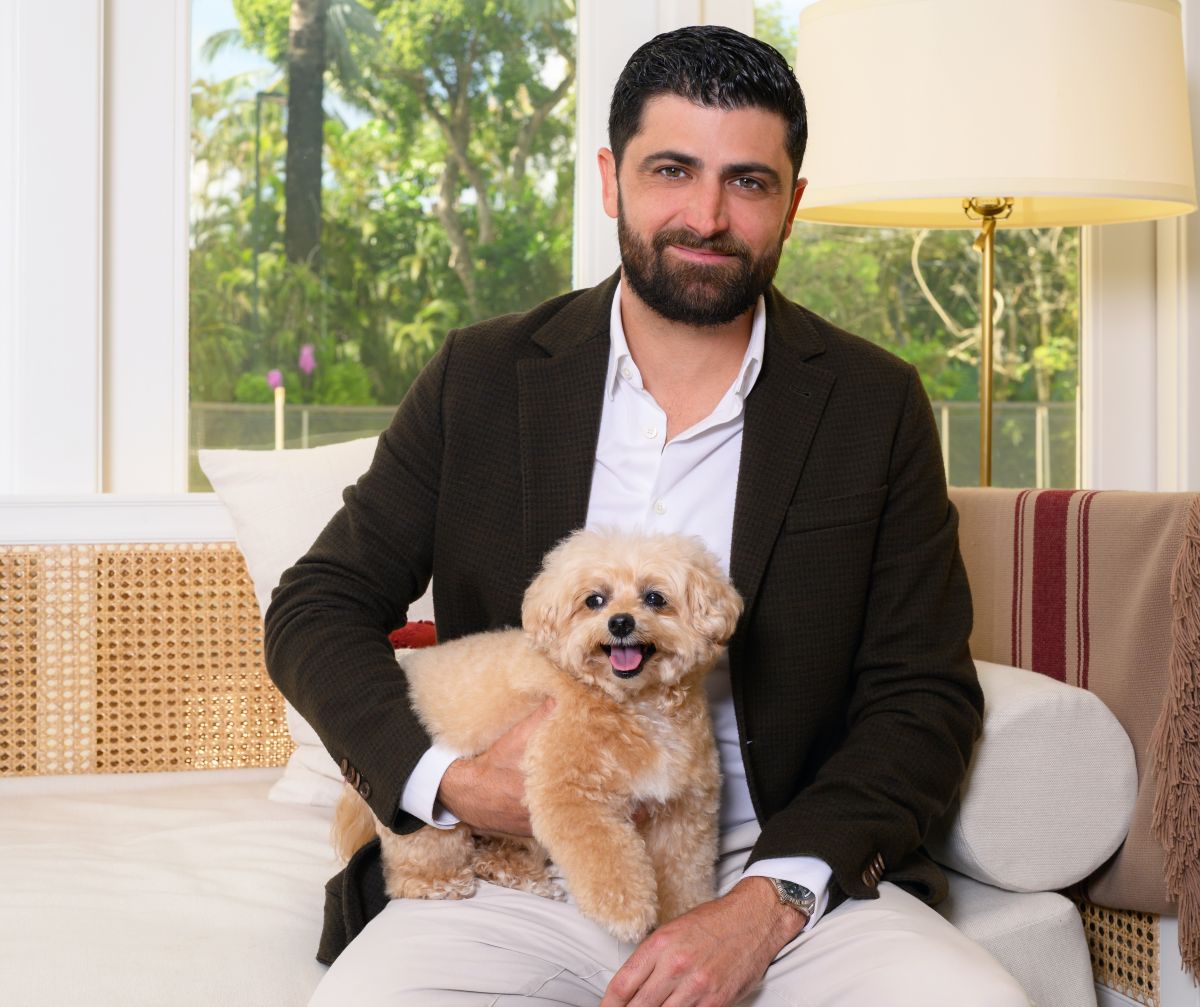
In South Florida, where dogs ride shotgun on Las Olas and appear in holiday cards alongside their owners, the line between pet and family member has long been blurred. Now, that shift is showing up somewhere perhaps a little less expected: the courtroom. As veterinary costs climb and pet insurance policies become more common, a new category of legal work is taking shape. It’s one where the stakes are emotional, financial, and, at times, surprisingly complex.
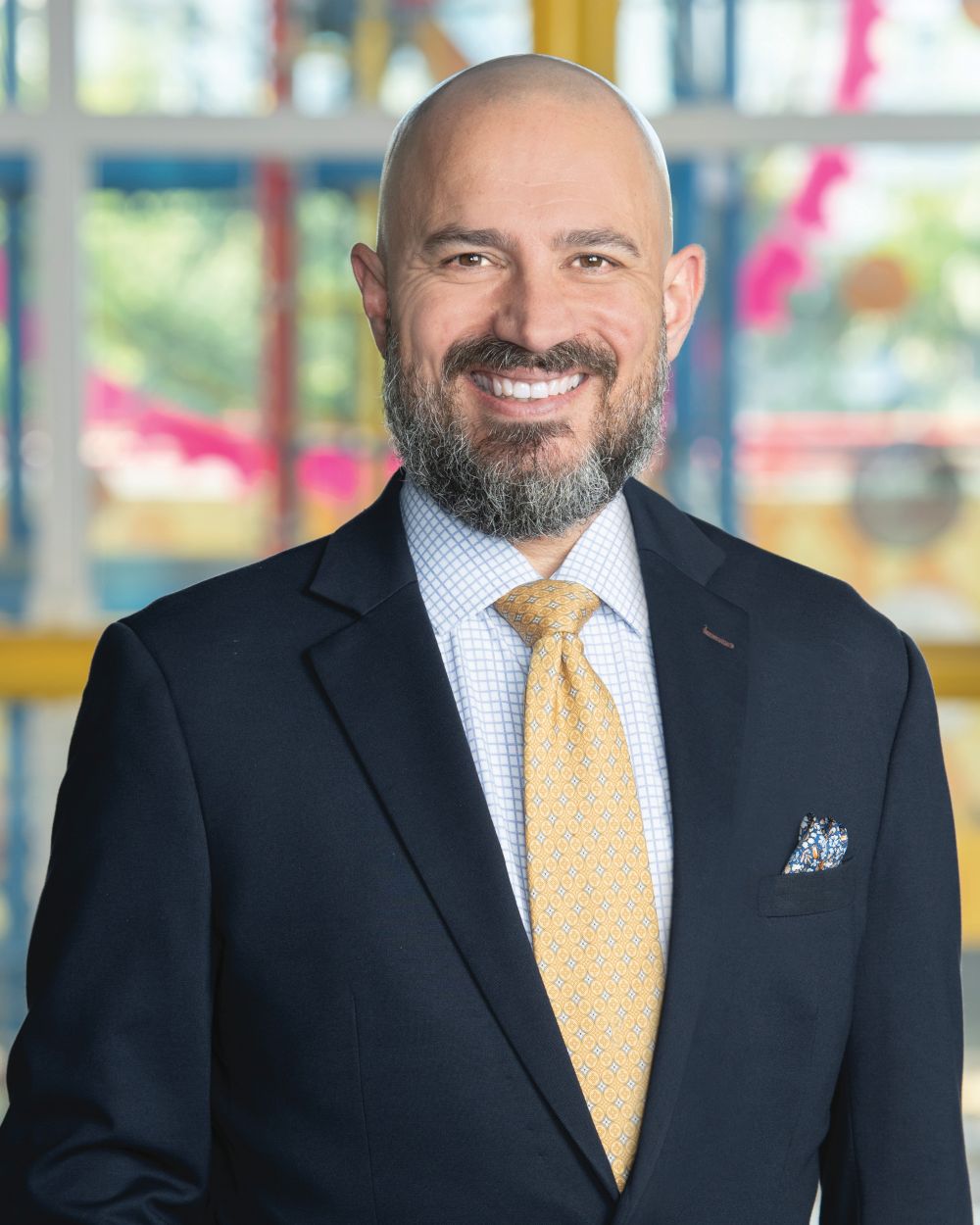
Miami-based attorney Daniel Gross is building his practice around that reality. Through The Gross Group, a boutique firm he launched with his father, Gross focuses primarily on pet insurance disputes. They’re cases that often begin with a denied claim and escalate into something far more consequential for owners trying to secure care for their animals.
“I realized very quickly this was happening far more than people think,” Gross says. “Most pet owners assume that once a claim is denied, that’s the end of the road. It’s not.”
Gross’ path to this niche wasn’t accidental. After more than a decade working on both sides of insurance litigation – from defending major carriers to representing plaintiffs – he saw an opportunity to apply that experience to a growing market. Pet insurance, once a novelty, is now increasingly bundled into employee benefits packages alongside health and life insurance, a sign of its rapid mainstream adoption.
The cases themselves, similar to human ones, often hinge on a single phrase: preexisting condition. It’s the most common reason insurers deny coverage, and, according to Gross, one of the most misunderstood.
“One of the first matters I handled involved a dog whose insurer claimed a serious diagnosis was preexisting because the puppy had been shaking during a routine vet visit,” he says. “Anyone who has taken a dog to the vet knows that’s not exactly uncommon behavior.”
In that case, Gross challenged the insurer’s interpretation and secured reimbursement for thousands of dollars in diagnostics and treatment. The experience became a roadmap for the firm’s approach, which encompasses digging into records, questioning any assumptions, and, when necessary, litigating.
The nuances can be striking. Gross points to a recent case involving a dog that developed two separate infections years apart – one in the stomach, another in the ear. Because the bacterial strain was similar, the insurer attempted to link the two incidents as a single, preexisting condition.
“They were completely unrelated events,” he says. “Just because the treatment looks similar doesn’t mean the condition is the same. That distinction matters.”
For pet owners, navigating that kind of language can be daunting. Policies often include layered appeal processes that give the impression a denial is final once those steps are exhausted. In reality, Gross notes, policyholders still have the right to pursue legal action, and, in Florida, can reach back up to five years on certain claims.
That’s where education becomes part of the job. The firm offers free consultations and policy reviews, breaking down coverage details before issues arise or after a claim has already been denied.
“You have to understand what you’re buying,” Gross says. “It’s a contract at the end of the day. In exchange for your premiums, there’s an obligation on the insurer to provide coverage consistent with that policy.”
Recent legislative changes in Florida are beginning to bring more clarity to the space. A statute that took effect in 2026 introduced consumer protections, including required disclosures for waiting periods and clearer distinctions between insurance and wellness plans. It’s a step toward standardizing a market that has expanded quickly, sometimes faster than public awareness.
There’s also a ripple effect beyond pet owners. Because most pet insurance operates on a reimbursement model, veterinarians often find themselves pulled into disputes, fielding requests for records, letters, and clarifications after treatments are complete.
“That’s time they should be spending on care,” Gross says. “Part of what we do is take that burden off their plate and handle those communications directly.”
Despite the legal complexity, the firm’s structure is personal. Gross describes it as a “boutique” model where clients interact with him from intake through resolution, rather than being handed off across a larger team. Cases are handled on a contingency basis, meaning clients pay nothing unless there’s a recovery.
For Gross, the appeal is straightforward. “It’s still a business,” he says, “but it’s one where you can help people and their pets at the same time.”