

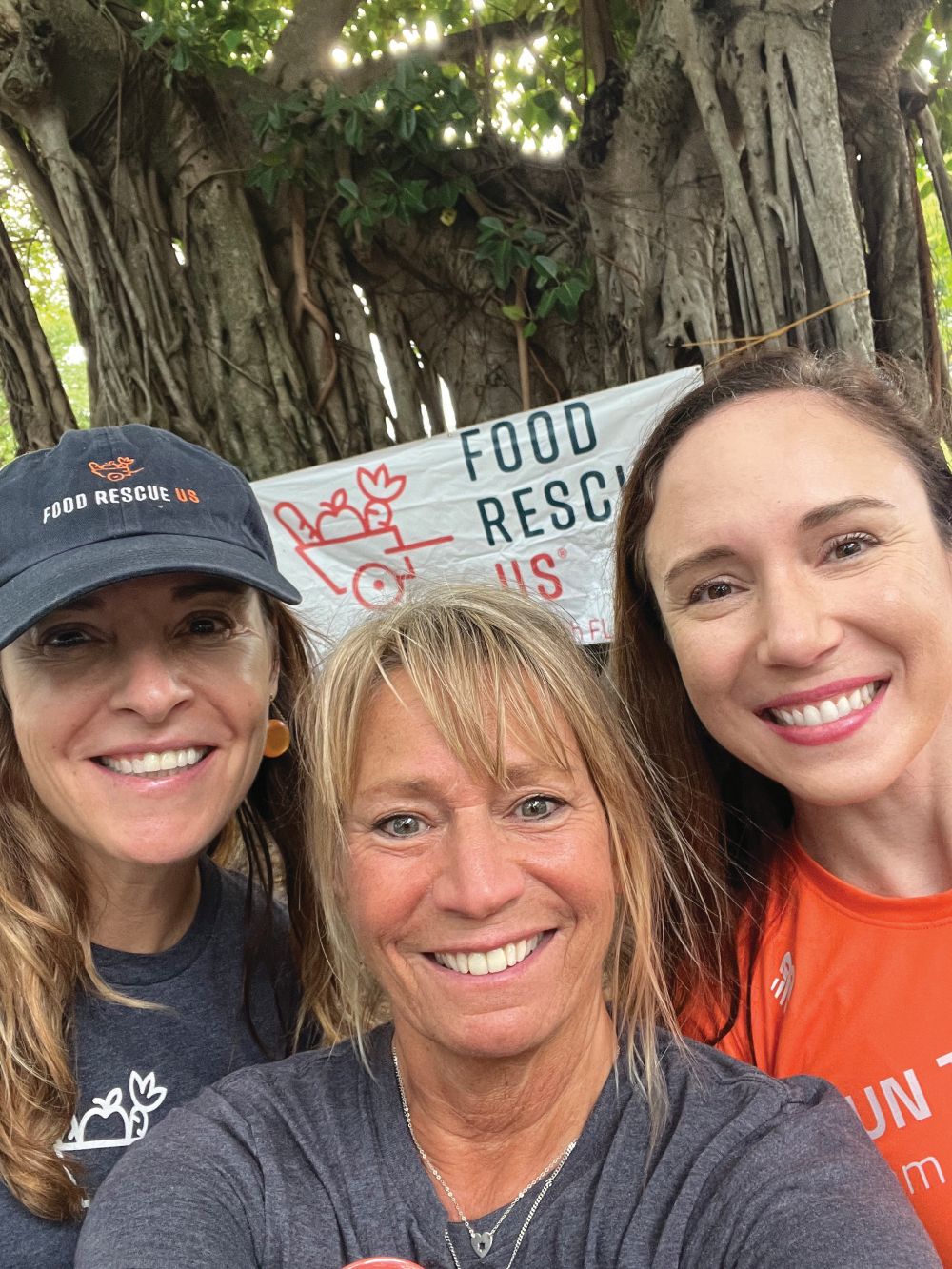
Ellen Bowen remembers picking up a few trays of eggs and pastries from a hotel’s Sunday brunch and driving them to the Miami Rescue Mission. The food had never left the kitchen. It was perfectly edible, but without someone to collect it, it would have been thrown away.
That modest pickup in 2018 was the beginning of Food Rescue U.S. South Florida, an organization that has since rescued more than 17 million pounds of food and now coordinates more than 100 rescues each week.
Before founding the South Florida chapter, Bowen wrote about Miami’s restaurant scene through her blog, MIA Bites. While interviewing chefs and reporting on the food scene, she noticed the surplus left after parties and events. At the same time, she would drive past people living beneath highways in cardboard boxes. The dichotomy of feasting on the finer things while others were hungry didn’t sit well. “It just seemed ridiculous,” she recalls.
Bowen began researching what happened to unused food and remembered a small food-rescue organization in Connecticut, where she had previously lived. She contacted the group and asked whether she could bring its model to Miami.
She started with that first hotel brunch pickup. Soon, the receiving agency suggested other potential donors, volunteers joined her, and grocery stores became part of the network. By 2019, the fledgling operation was coordinating approximately 10 rescues a week.
Today, the organization rescues edible, unused food from restaurants, hotels, and major events like the Super Bowl and Formula 1 Miami Grand Prix. The food gets distributed to more than 40 locations, with their reach spanning Miami-Dade to Palm Beach County.
Food Rescue U.S. South Florida operates without its own warehouse or fleet of trucks. Instead, volunteers deliver directly to matched hunger-relief organizations, often within an hour. The model keeps overhead low while preserving freshness and nutritional value. For larger rescues, such as those at Hard Rock Stadium, the organization partners with receiving agencies that have trucks and drivers.
That grassroots approach allows the group to respond quickly when circumstances change. During the pandemic, Bowen secured funding to pay restaurants to prepare meals, helping them retain staff while providing food to the community. The program distributed approximately 65,000 meals.
After the Champlain Towers South collapse, the organization worked with chefs and restaurants to provide prepared meals to displaced residents and families awaiting news of loved ones.
“We’re nimble enough that we can pivot to what a community needs,” Bowen says.
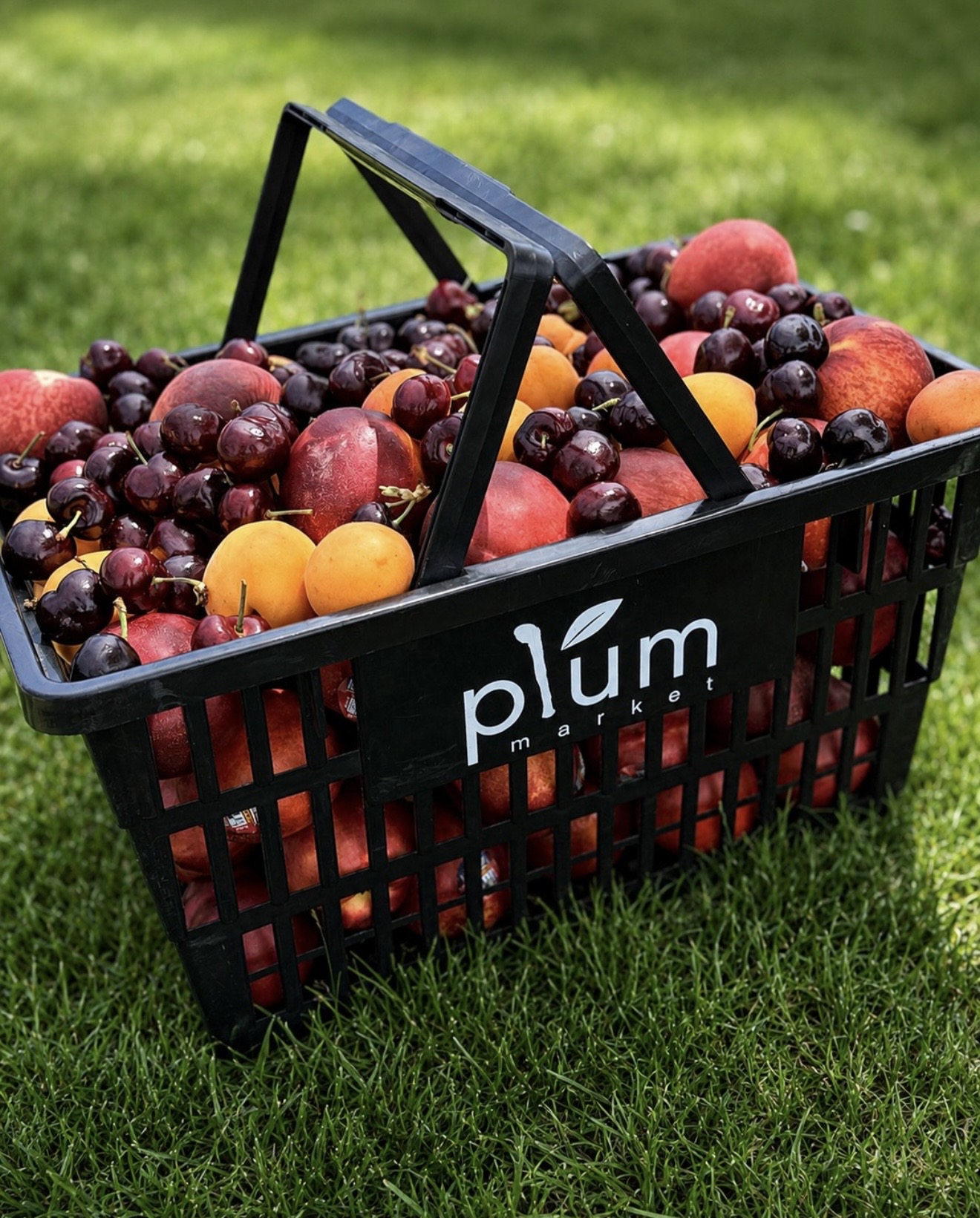
That philosophy is especially visible at the organization’s farmers markets. Rather than handing out prepacked bags, volunteers arrange produce on tables, place fruit in baskets, and keep meat, poultry, fish, and dairy in coolers. Fresh flowers are often available to nourish the soul as well as the body. Attendees receive reusable shopping totes and “shop” for what they want.
Volunteers may offer cooking tips, while community partners contribute music, children’s activities, or other services. At a Haitian Mother’s Day distribution in Little Haiti, the event included dancing, performances, massages, and flower bouquets. Bowen says the goal is to create an experience that is culturally appropriate, welcoming, and respectful to all.
Technology is central to the organization’s growth. A proprietary app allows volunteers to view available rescues and claim assignments, while donors can schedule pickups of surplus food. Volunteers can participate once or adopt a recurring assignment, with no required minimum commitment.
The chapter has more than 1,000 registered volunteers, although Bowen emphasizes that it continually needs people willing to complete rescues. Funding is another priority, particularly for staffing, supplies, and gas cards for consistent volunteers.
The organization is also testing a pilot with the City of Miami Beach’s Rising Above sustainability program that integrates its app with restaurants’ Toast point-of-sale systems. The goal is to allow restaurants to record surplus through their existing technology, which will automatically alert Food Rescue U.S.
For Bowen, the work remains deeply personal. She still joins rescues, visits donors, and checks in with volunteers, even when the job means standing on a hot receiving dock.
“It is really the best, most rewarding thing I’ve ever done,” she says. “I get up every day looking forward to going to a rescue.” For Bowen, the work comes down to one simple, yet powerful message: “Food is love. Food is kindness.”